Cricopharyngeal Dysfunction
Also known as R-CPD, or "no-burp syndrome"
If you’ve never been able to burp and instead you deal with chest gurgling noises and abdominal bloating/distension and excessive gas, there’s a name for it: retrograde cricopharyngeus dysfunction, or R-CPD.
Dr. J. Michael King at Peak ENT and Voice Center is one of the few specialists in the Rocky Mountain region evaluating and treating R-CPD, offering both in-office diagnosis and treatment for patients who’ve often gone years without an answer.
What Is R-CPD?
The cricopharyngeus is a small ring of muscle at the top of the esophagus. It relaxes briefly every time you swallow, then closes again to keep stomach contents from moving back up into your throat. Part of its normal job is also relaxing in reverse, letting trapped air escape from the esophagus and stomach as a burp.
In someone with R-CPD, that muscle won’t relax in that second (retrograde) direction. Air that would normally vent as a burp has nowhere to go, so it builds up and works its way through the digestive tract instead, usually with a lot more bloating and gas than most people experience.
Doctors and researchers don’t fully understand why R-CPD happens. Many people with the condition say they’ve never been able to burp, even as children, and for most people it’s a lifelong condition until it’s treated.
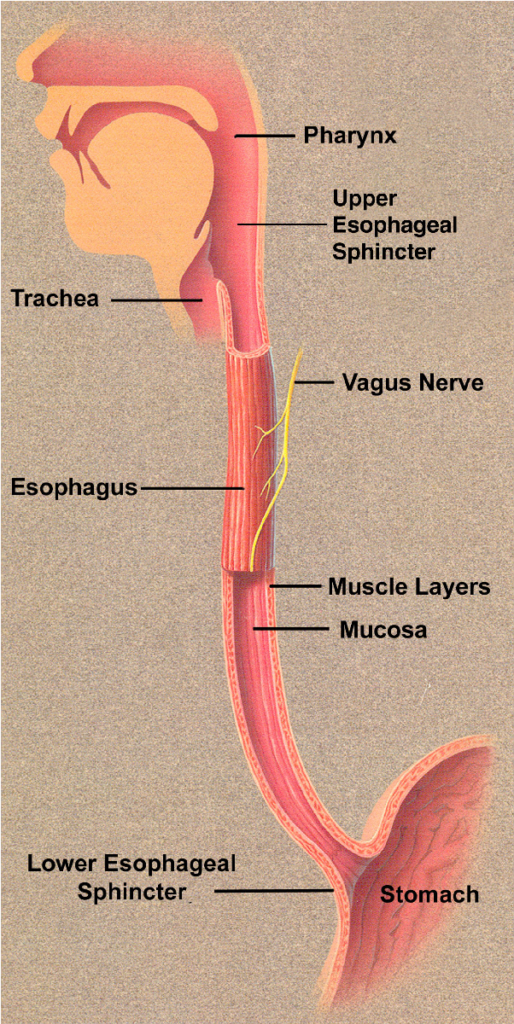
Illustration: Servier Medical Art (smart.servier.com), licensed under CC BY 4.0
How Is R-CPD Diagnosed?
Diagnosis starts with a conversation about your history and symptoms, followed by an in-office exam of your throat. In many cases, your doctor will also perform a simple office procedure called flexible laryngoscopy, passing a thin, lighted scope through the nose to get a clear look at the area.
The most reliable way to confirm R-CPD also doubles as the first treatment: a Botox injection into the cricopharyngeus muscle. Botox temporarily relaxes the muscle, and for most people with R-CPD, that’s enough to let them burp for the first time, often within just a few days.
Treatment Options for R-CPD
Botox Injection
A Botox injection into the cricopharyngeus muscle is the standard first treatment. It can be done during a brief esophagoscopy under general anesthesia.
Most patients notice they can burp within a few days to a week. The effect of a single injection typically lasts about 3 months before the Botox wears off, and for about 80% of people the relief holds permanently. Others might need repeat injections on an ongoing basis to maintain relief.
Why Choose Peak ENT and Voice Center?

R-CPD went largely unrecognized in medicine until recently, and many patients spend years being told nothing is wrong before finding a doctor familiar with it. Dr. King has trained specifically in evaluating and treating R-CPD since 2020 and is one of the few providers in the Colorado and the Mountain West region offering it.
We provide:
- Same-muscle expertise in both R-CPD and classic cricopharyngeal (swallowing-related) dysfunction.
- A Botox injection that works as both diagnosis and first treatment, as a brief outpatient procedure.
- Long-term follow-up as your treatment plan is adjusted.
Ready to Find Out If R-CPD Explains Your Symptoms?
If you’ve dealt with unexplained bloating, gurgling, or excessive gas your whole life, there may finally be an answer.
Dr. King is one of the few specialists in the region treating R-CPD.
A consultation is the best way to find out if R-CPD explains your symptoms.